

Introduction to Weighing Automation in Logistics Yards The logistics sector…
Read More

©Copyright 2026 eWeighbridge. Made with  by India. Powered by KalpaniX
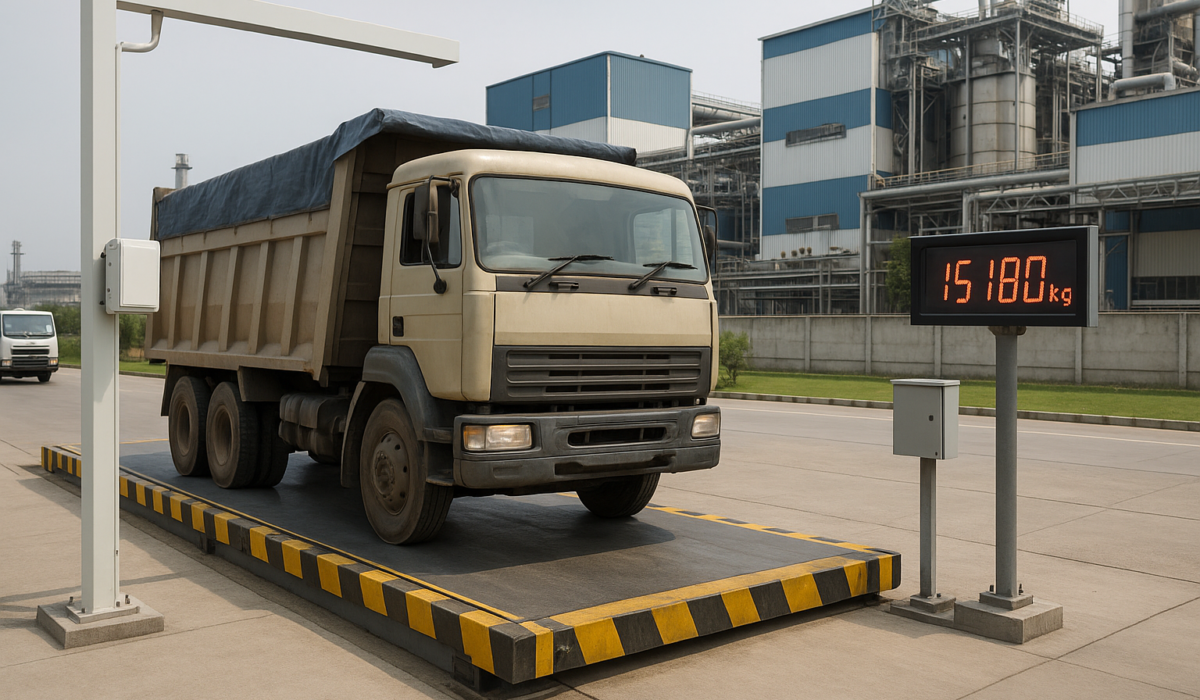
The integration of RFID technology into weighbridge systems is revolutionizing industries like steel, cement, and logistics. This modern approach enhances operational efficiency and accuracy, addressing significant industrial challenges.
RFID-based weighbridge automation optimizes the weighing process by leveraging radio frequency identification technology. This enables automatic vehicle identification, accurate weight recording, and streamlined data management. Systems like eWeighbridge and Unmanned Weighbridge Systems exemplify this advancement.
RFID tags are attached to vehicles which pass through designated points on the weighbridge. The RFID readers capture data from these tags, enabling seamless weight recording without human intervention.
In steel plants, accurate and efficient weighing of materials is critical. RFID systems eliminate manual errors, reduce wait times, and ensure inventory accuracy. This leads to better resource tracking and optimized plant operations.
Cement manufacturing demands precise material management. RFID-based systems in weighbridges help automate inbound and outbound logistics, ensuring accurate cement dispatch and delivery tracking, thus reducing discrepancies.
Mining operations involve substantial material movement. An RFID-based weighbridge system ensures precise weighing, contributing to better stock management and optimized transportation logistics.
Logistics yards benefit from RFID technology by streamlining vehicle management and minimizing offloading errors. eWeighbridge systems offer real-time data integration, leading to enhanced decision-making in logistics operations.
Integrating RFID technology involves addressing initial setup challenges and aligning technological upgrades with existing systems. However, the investment yields substantial ROI through reduced manual intervention, fewer errors, and increased throughput.
| Challenge | Traditional Approach | RFID Solution |
|---|---|---|
| Manual Data Entry Errors | High error rate and time-consuming | Automated, reducing errors to near-zero |
| Vehicle Identification | Time-intensive manual checks | Instant, accurate identification |
| Operational Costs | Higher due to labor and delays | Lower due to automation and efficiency |
Implementing RFID-based weighbridge automation can significantly enhance operational efficiency and accuracy in industries like steel, cement, and logistics. Whether integrating eWeighbridge or Unmanned Weighbridge Systems, the transition is both feasible and beneficial. To explore how this technology can optimize your operations, book a demo today and see the difference firsthand.
Introduction to Weighing Automation in Logistics Yards The logistics sector…
Read More
Introduction to Logistics Yard Weighing Automation In the competitive sectors…
Read More
Introduction In the fast-paced world of manufacturing and logistics, especially…
Read More
Introduction In the fast-paced world of manufacturing and logistics, efficiency…
Read More
Introduction to Real Time Weighbridge Reporting In today’s fast-paced industrial…
Read More
Introduction to RFID Based Weighbridge Automation In the dynamic landscape…
Read More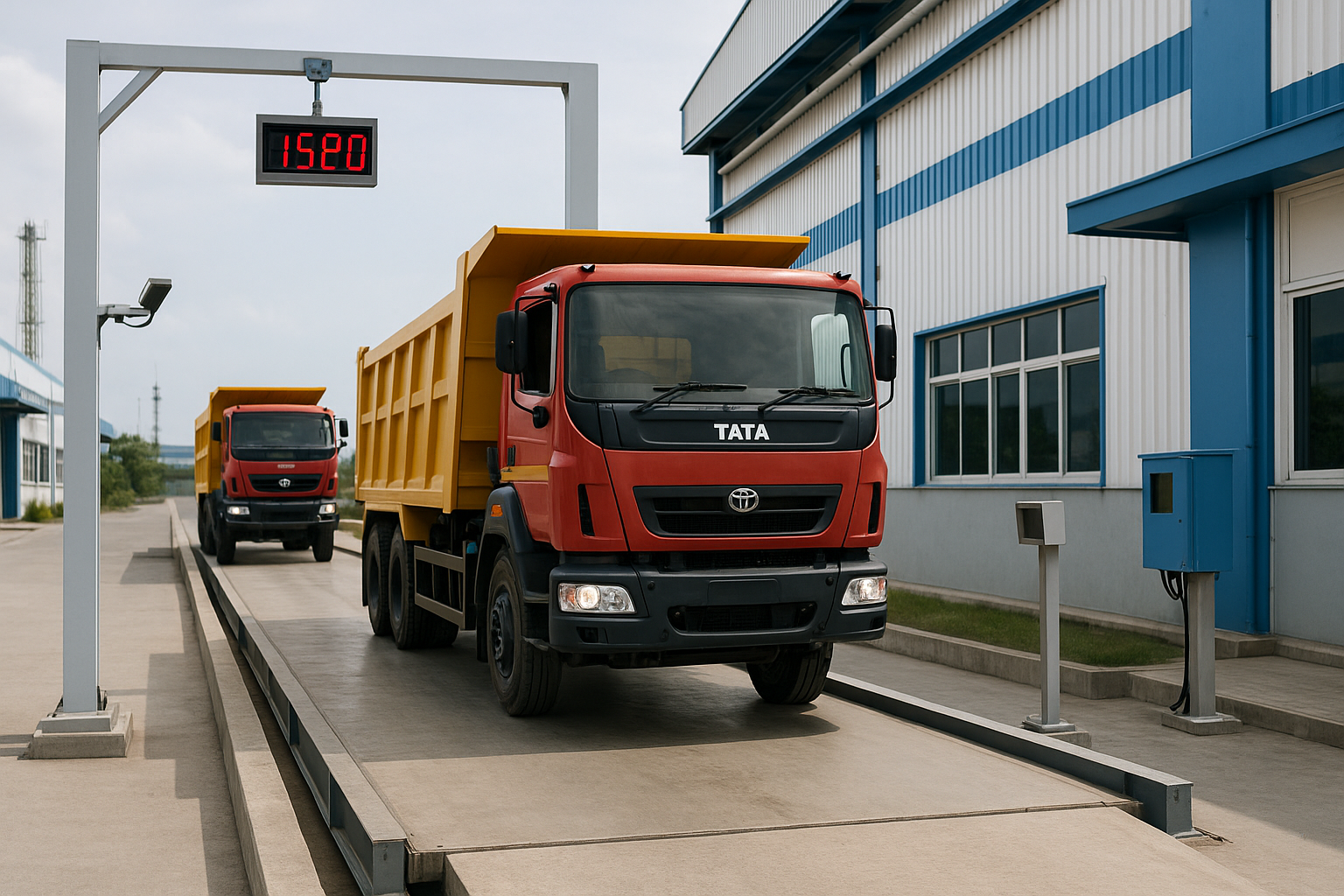
Introduction to Weighbridge Challenges In the steel and cement industries,…
Read More
Introduction Weight manipulation in weighbridge operations is a pressing issue…
Read More
Introduction In India, the steel and cement industries, along with…
Read More
Introduction to Bulk Material Dispatch Automation In the bustling sectors…
Read More