

Understanding Weighbridge Fraud in Industrial Operations Weighbridge fraud is a…
Read More

©Copyright 2026 eWeighbridge. Made with  by India. Powered by KalpaniX
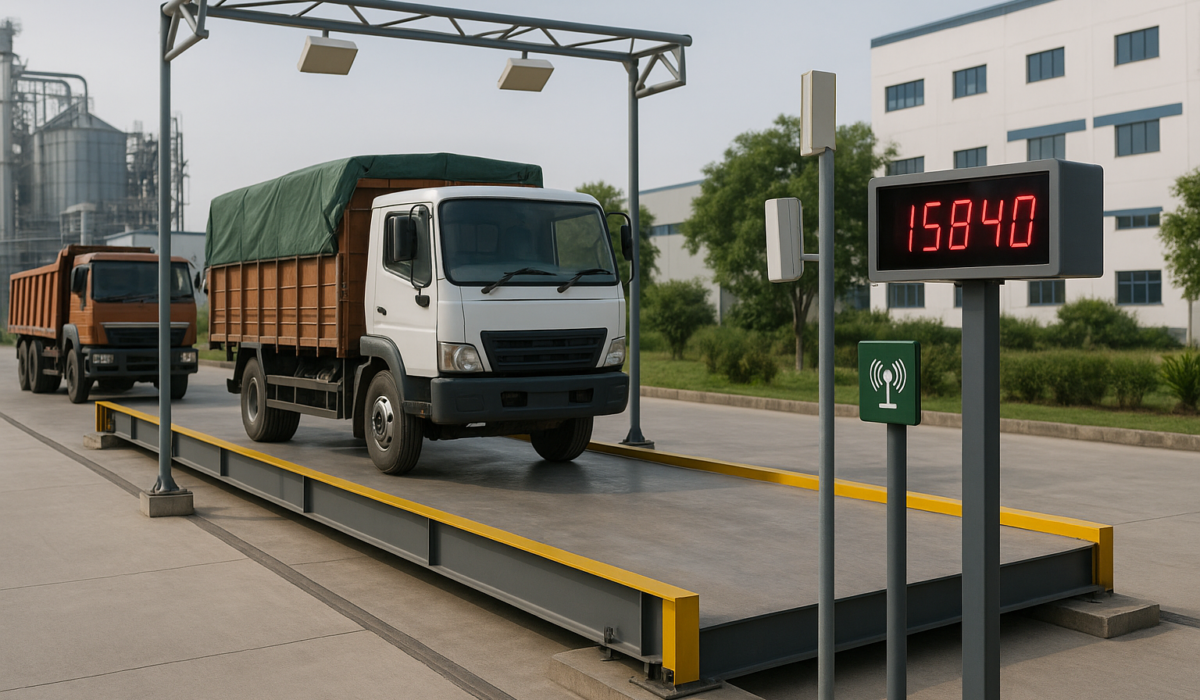
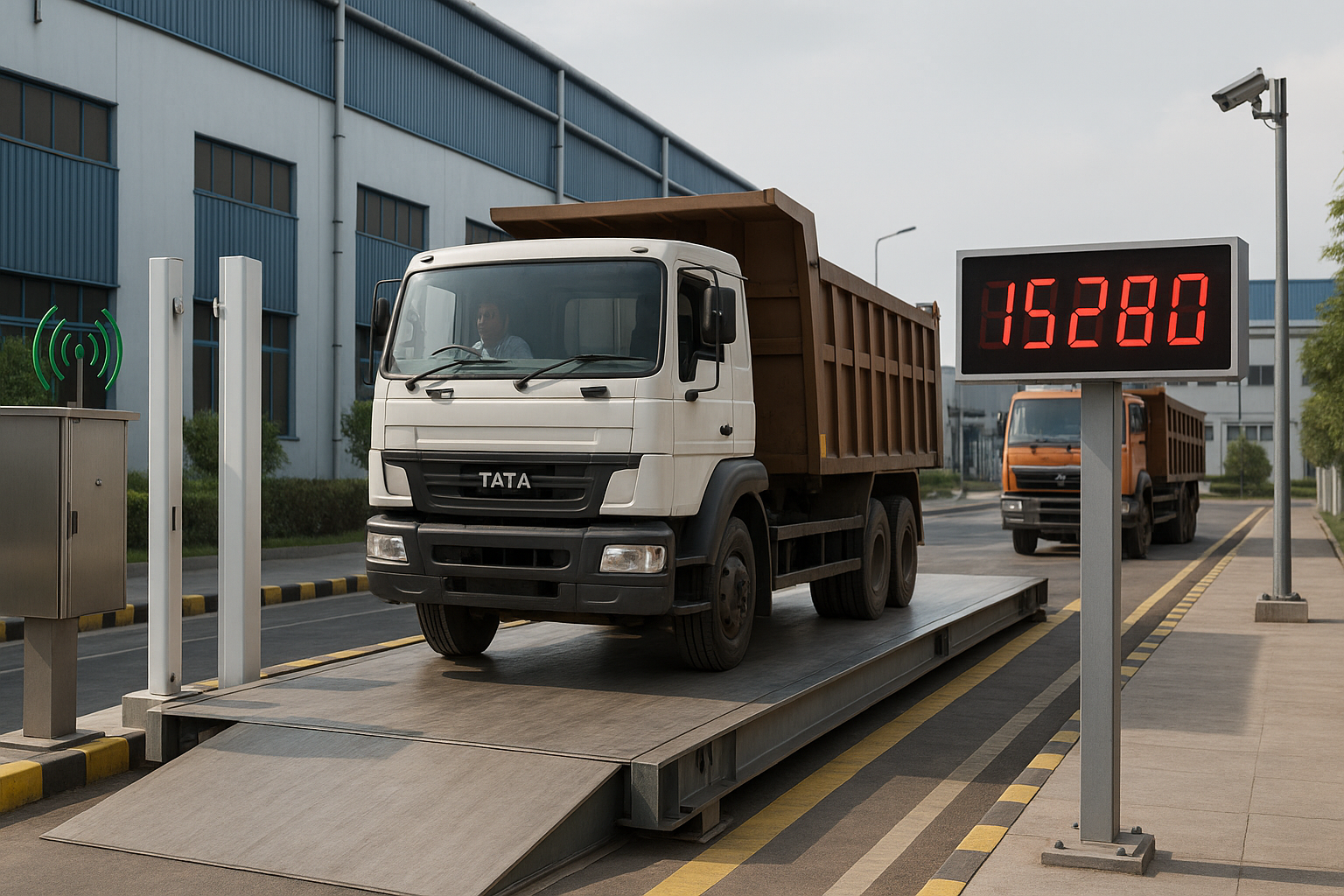
The steel and cement industries, along with mining and logistics sectors, face the perennial challenge of optimizing operations and reducing costs. One crucial area ripe for innovation is weighbridge automation. Through the integration of IoT, weighbridge systems can be significantly enhanced, paving the way for increased efficiency, accuracy, and profitability.
The traditional weighbridge systems require significant manual intervention, leading to errors, delays, and increased operational costs. However, eWeighbridge systems are shifting this paradigm by incorporating IoT technologies.
Unmanned weighbridge systems are making waves across various industries.
Steel Plant: At one of India’s leading steel plants, the implementation of an unmanned weighbridge system reduced human error by 80%, enhancing material dispatch accuracy.
Cement Plant: A major cement manufacturer reported a 25% increase in throughput after employing an unmanned configuration, resulting in savings worth crores annually.
Adopting weighbridge automation software can address the complexities of offloading data management and enhance precision across logistics operations.
Consider a logistics yard tasked with managing hundreds of shipments daily. The software reduces dock time per vehicle, rapidly improving turnover rates.
| Feature | Traditional System | IoT-Enabled System |
|---|---|---|
| Data Accuracy | Prone to errors | Highly accurate |
| Operational Cost | High | Reduced |
| Security | Manual checks | Automated & secure |
| Scalability | Limited | Highly scalable |
The return on investment in IoT-enabled weighbridge systems is clear. Companies have reported significant reductions in errors, improved throughput, and lower maintenance costs—all contributing to better profit margins.
Transitioning to IoT-enhanced weighbridge automation promises considerable benefits in accuracy and efficiency. If you’re ready to transform your operations, book a demo of our advanced solutions today!
Understanding Weighbridge Fraud in Industrial Operations Weighbridge fraud is a…
Read More
Introduction to IoT in Weighbridge Automation The steel and cement…
Read More
Introduction to Weighing Automation in Logistics Yards The logistics sector…
Read More
Introduction to Logistics Yard Weighing Automation In the competitive sectors…
Read More
Introduction In the fast-paced world of manufacturing and logistics, especially…
Read More
Introduction In the fast-paced world of manufacturing and logistics, efficiency…
Read More
Introduction to Real Time Weighbridge Reporting In today’s fast-paced industrial…
Read More
Introduction to RFID Based Weighbridge Automation In the dynamic landscape…
Read More
Introduction to Weighbridge Challenges In the steel and cement industries,…
Read More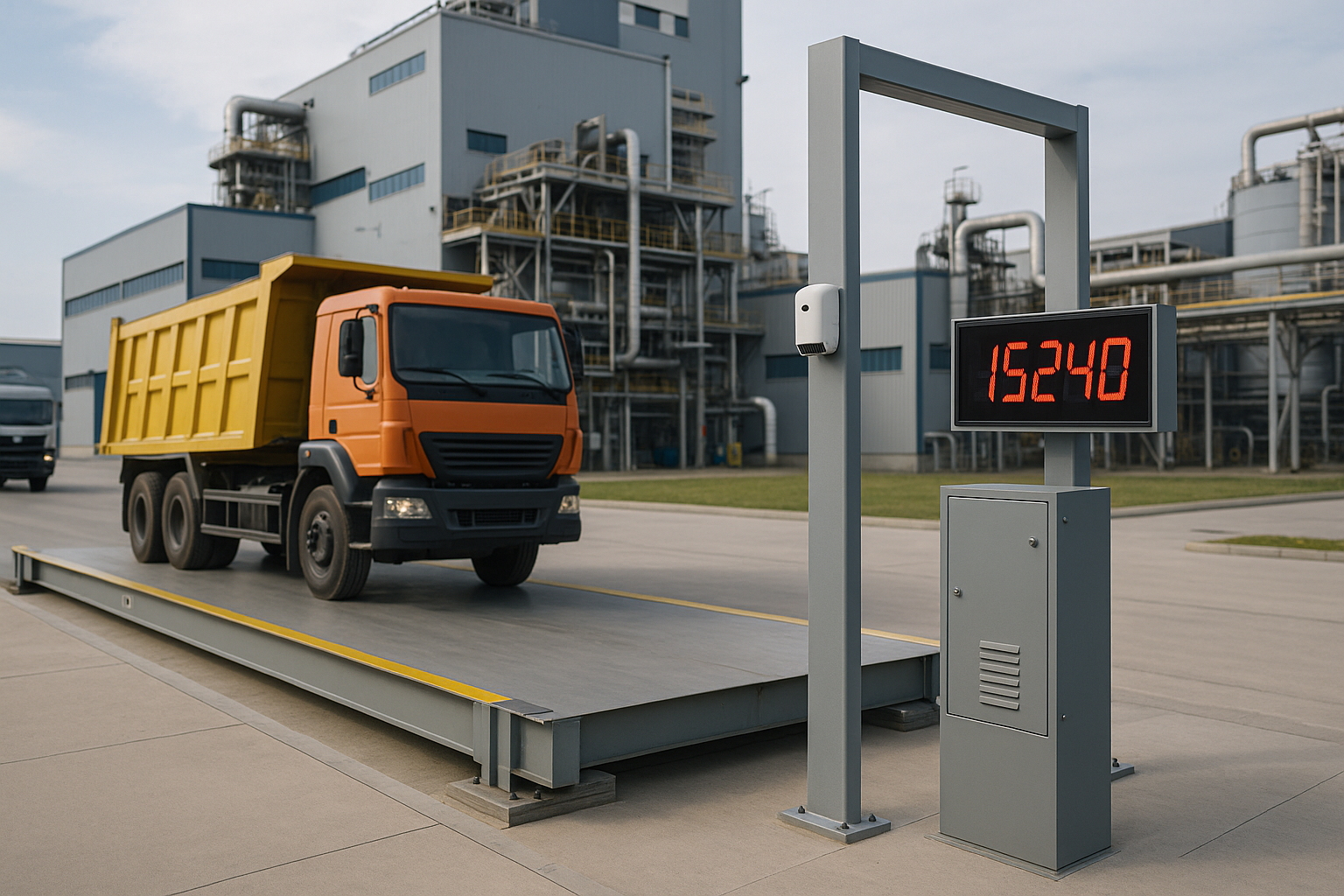
Introduction Weight manipulation in weighbridge operations is a pressing issue…
Read More